

What Is Suya?
Smoke.
Fire.
Meat.
Spice.
Sometimes the greatest foods don't need many elements.
If you've walked through parts of Nigeria in the evening, there is a good chance you've encountered the unmistakable smell of suya before you've even seen it.
But what exactly is it?
Nigeria's great street food
At its simplest, suya is thinly sliced meat coated generously in a distinctive spice mixture and grilled over fire.
Beef is perhaps the version most people know, although different meats and cuts can be used.
But describing suya simply as "spicy grilled meat" doesn't quite capture it.
The magic is in the seasoning.
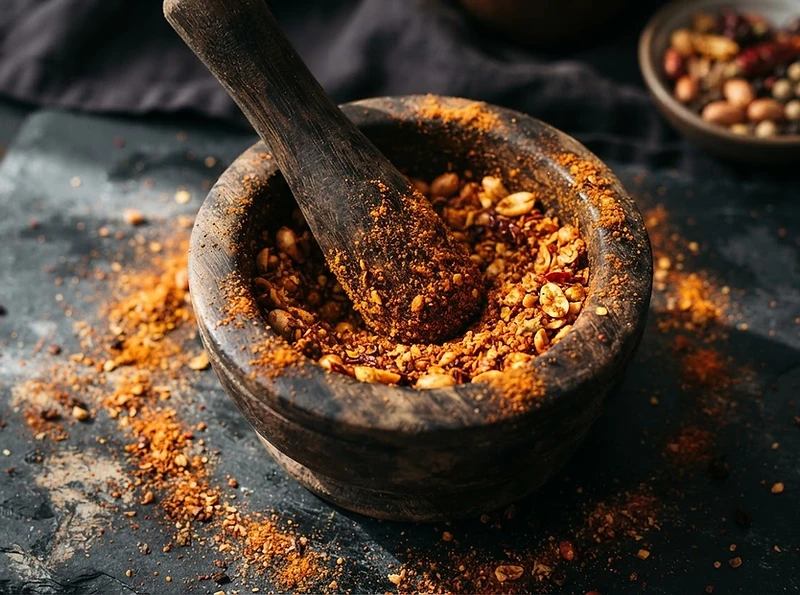
Often referred to as yaji, the mixture commonly brings together ground peanut or groundnut, chilli, ginger and other spices and aromatics, with recipes varying between makers, regions and families.
Everyone has their method.
And, naturally, everyone believes theirs is better.
The result is savoury, nutty, spicy and deeply aromatic.
Then comes fire.
Fat meets heat.
Spices toast.
Edges char.
Smoke becomes another ingredient.
That is when suya becomes suya.
More than a recipe
Suya is strongly associated with Hausa food traditions and with the skilled vendors often known as mai suya.
Their expertise matters.
The slicing of the meat, seasoning, heat of the fire and timing all contribute to the final result.
Watch an experienced suya seller work and it quickly becomes apparent that what looks simple is built on repetition and judgement.
That is one of the things street food does beautifully.
A dish doesn't need expensive ingredients to contain enormous skill.
How is suya eaten?
The experience is refreshingly uncomplicated.
Hot grilled meat.
Often sliced or served on skewers.
Fresh onion.
Tomato and sometimes cabbage or cucumber.
Extra yaji for anyone who wants another hit of heat.
Then you eat.
There is no need for tweezers.
No elaborate explanation.
No complicated plating.
The food does the talking.
Suya and agashe
Travel beyond Nigeria and you find related food traditions elsewhere in West Africa and the wider region.
In Sudan, for example, agashe has connections to the Hausa communities and shares that familiar combination of grilled meat and peanut-forward spice.
Food rarely respects modern national borders as neatly as we might expect.
Communities move.
Techniques move with them.
Recipes adapt.
Names change.
The connections remain.
That is why dishes like suya are particularly interesting to us at Farin Road. One plate can open the door to conversations about migration, trade, ethnicity and shared culinary traditions across countries.
Why chefs love it
Suya seasoning is remarkably versatile.
Once you understand its character, you realise it doesn't have to stop at a roadside grill.
It can work with beef or lamb.
It can transform chicken.
It can season vegetables.
It can bring depth to sauces, marinades and snacks.
Even used sparingly, it provides heat, nuttiness and complexity.
The important thing is remembering where the inspiration comes from.
Modern cooking should allow ingredients and techniques to evolve without erasing their history.
The Farin Road view
For us, suya represents something important about African cooking.
Complex flavour doesn't necessarily require complexity on the plate.
Sometimes all you need is an ingredient, a great spice mixture, fire and someone who knows what they're doing.
So if you've never eaten suya, forget the complicated definition.
Remember four things:
Meat. Spice. Smoke. Fire.
Then taste it.
You'll understand.


